
Choosing an adoption agency in Florida is one of the most important decisions you’ll make on your path to parenthood. The right partner will guide you through every step with transparency and care, while the wrong choice can lead to costly mistakes and unnecessary stress.
At Juliana Gaita, P.A., we’ve seen families struggle because they didn’t ask the right questions upfront. This guide walks you through what matters most when selecting an adoption agency Florida families can trust.
What to Look for in an Adoption Agency
Verify Licensing and Credentials
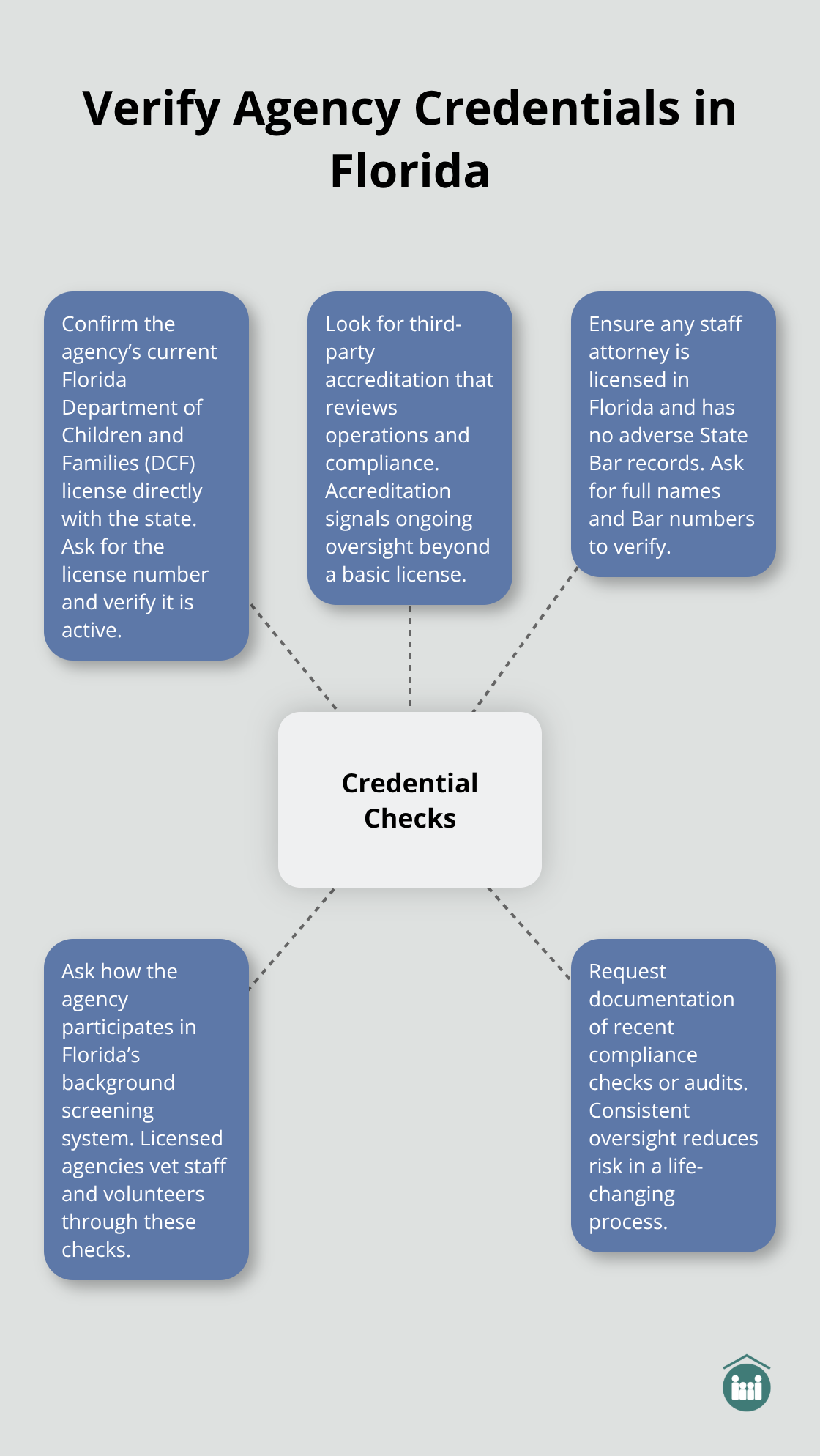
Florida requires adoption agencies to hold a license from the Department of Children and Families, and you must verify this status directly with the state before moving forward. Request the agency’s license number and confirm it remains current. Beyond basic licensing, check whether they hold accreditation from organizations that conduct rigorous reviews of their operations. An agency with proper credentials has passed compliance checks and maintains oversight, which matters when you trust them with one of life’s biggest decisions. Also verify that any attorney on their staff holds a Florida license and has no negative records with the State Bar. The state completes over 225,000 background screenings annually to protect vulnerable populations, and licensed agencies participate in this system to vet their staff and volunteers thoroughly.
Match Your Adoption Type
Different agencies focus on different types of adoptions, and this mismatch causes real problems. Some agencies concentrate primarily on domestic infant adoption, while others handle foster-to-adopt placements or identified adoptions where you already know the birth mother. Ask directly about their experience with your specific situation and request concrete numbers: how many placements they completed in the past year, how many adoptive families currently participate in their program, and what their average timeline runs from application to placement. Most domestic infant adoptions in Florida take one to three years, but timelines vary significantly by agency and circumstance. An agency that presents this range honestly is being transparent with you; one that promises faster results cuts corners somewhere.
Understand All Costs Upfront
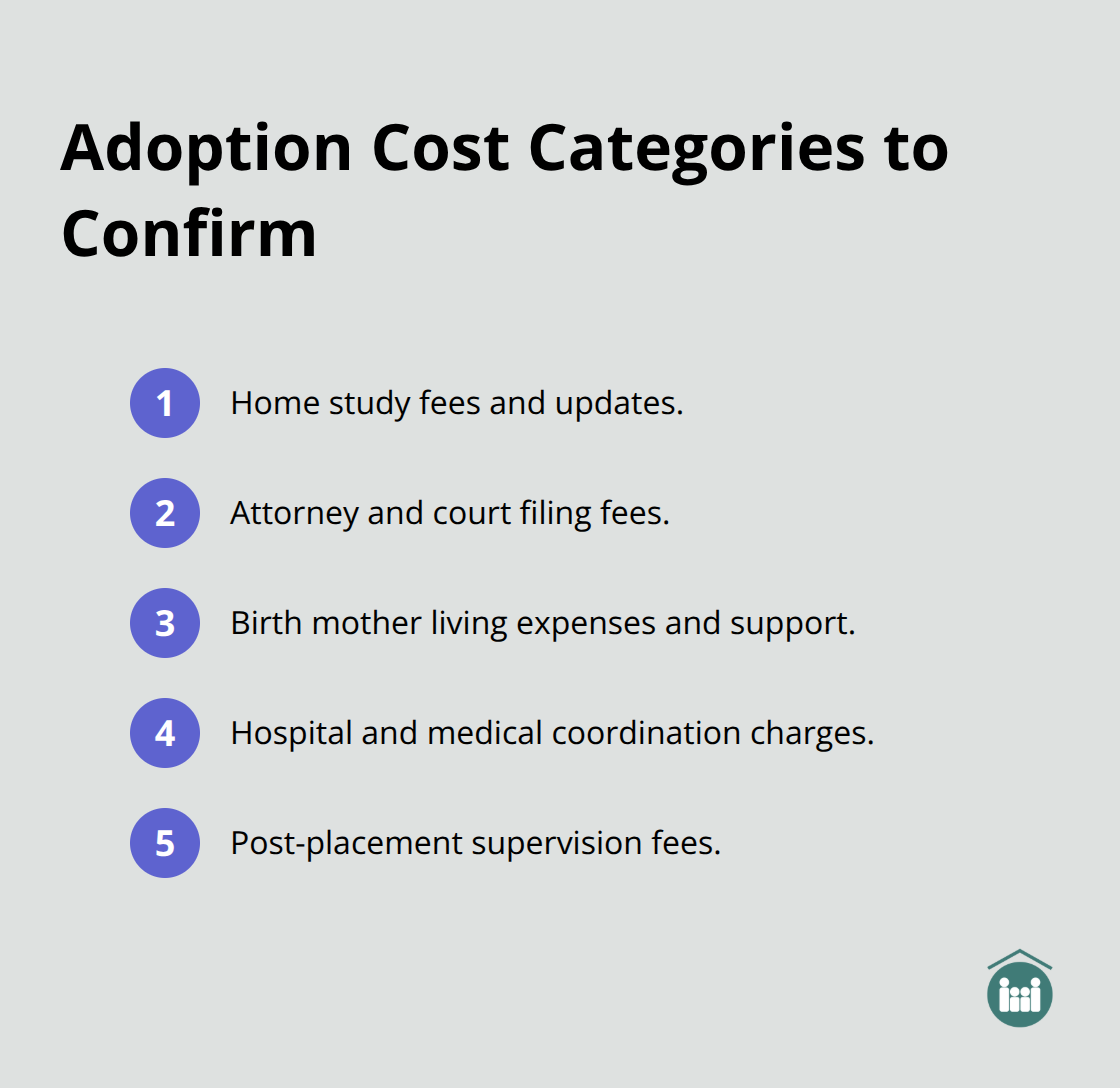
Hidden costs destroy trust and drain savings. Request a complete, itemized breakdown of all fees before you sign anything. This should include home study costs, legal fees, birth mother living expenses, hospital coordination, and post-placement supervision fees. Some agencies charge flat rates; others use sliding scales based on income. Understand which applies to you and obtain it in writing.
Ask whether they manage birth mother support funds in a client trust account and what happens if a placement falls through. The federal adoption tax credit reaches over seventeen thousand dollars per child according to the IRS, which helps offset costs, but you need to know your actual expenses upfront to plan accordingly. If an agency avoids detailed cost conversations or presents fees piecemeal, that warning sign deserves serious attention.
Red Flags in Cost Discussions
Agencies that pressure you to commit before providing complete fee information operate without transparency. Those that bundle costs together or refuse to break down expenses by category make it impossible for you to compare options fairly. If an agency claims they cannot provide written cost estimates until after you complete your application, they’re hiding something. Legitimate agencies provide detailed fee schedules upfront because they have nothing to conceal. You should also ask how they handle refunds if a birth mother changes her mind after you’ve paid certain expenses-agencies that won’t answer this question clearly are protecting themselves, not you.
Now that you understand what separates trustworthy agencies from problematic ones, the next step involves asking the right questions directly. The questions you pose will reveal whether an agency operates with genuine transparency or merely presents that appearance.
Red Flags That Reveal Problem Agencies
Pressure to Rush Your Decision
Agencies that push you to move faster than feels comfortable prioritize their timeline over yours. When an agency demands you complete your application within days, accelerates your home study, or attempts to fast-track matching before you’ve vetted them properly, they signal that speed matters more than your fit with their process. Legitimate agencies recognize that adoption timelines vary and that families need time to ask questions, verify credentials, and build confidence. Florida law mandates post-placement supervision before finalization-a requirement no agency can bypass regardless of what they claim. If someone pressures you to commit financially before you’ve researched them thoroughly or spoken with former clients, that pressure itself is reason to leave. Real agencies have nothing to gain from rushing you and everything to lose if families feel coerced into decisions they later regret.
Vague or Fragmented Fee Structures
Agencies that provide unclear cost information or reveal fees gradually operate with intentional opacity. When you request a complete itemized breakdown and receive only partial information, that choice to withhold reflects their business practices. Some agencies quote only the base fee initially, then add counseling costs, background screening fees, post-placement supervision charges, and birth mother living expenses later. This fragmented approach prevents you from comparing their prices fairly against other options. Request everything in writing before signing any agreement, and if an agency resists providing a comprehensive fee schedule, that resistance reveals something important about how they conduct business.
Inadequate Post-Adoption Support
Agencies that offer no meaningful post-adoption support or claim support exists but cannot describe it specifically fall short of what families actually need. Real post-adoption support includes counseling access, support groups, resources for attachment challenges, and contact assistance if you pursue an open adoption. Agencies that mention support vaguely or suggest it ends shortly after finalization underestimate what families require. The transition after placement involves real adjustment challenges, and families deserve access to trained counselors and peer support long after the adoption becomes legally final.
The questions you ask directly will reveal whether an agency operates with genuine transparency or merely presents that appearance.
Questions to Ask Before Selecting an Adoption Agency
Assess Placement Volume and Timeline
Start by asking how many placements the agency completed in the past year and how many adoptive families currently participate in their program. These figures tell you whether the agency handles volume efficiently or stretches resources thin. Then ask about their average timeline from application to placement and what factors cause delays. Agencies that cite one to three years as the general Florida timeline but cannot explain variations in their own data hide inconsistencies. Request their success rate, but understand what that term means to them first-some agencies count only completed adoptions, while others include families still in process. Ask specifically how many families they work with simultaneously and what their typical wait time looks like for expectant parents to select a family.
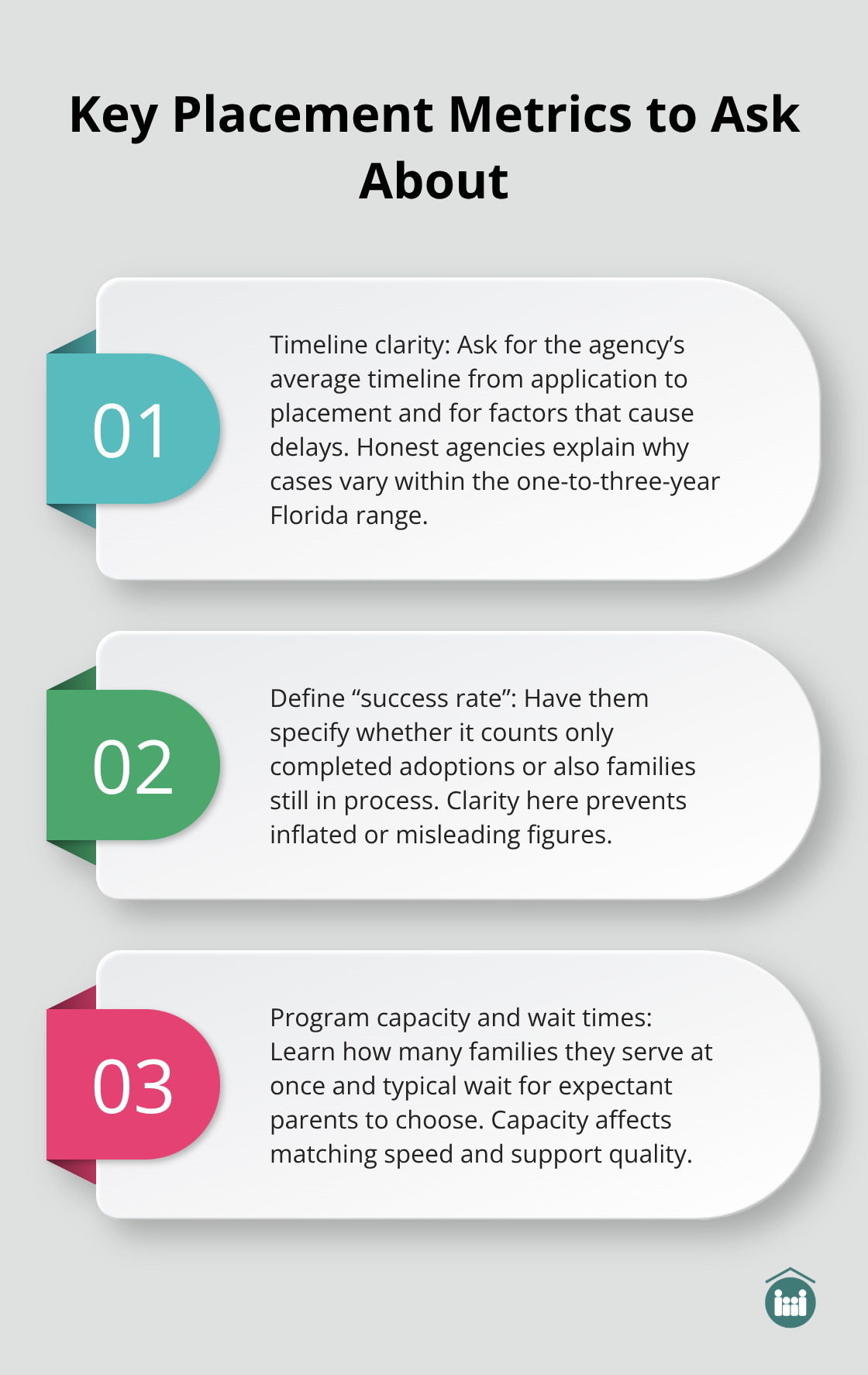
An agency managing fifty families with five placements annually operates very differently from one handling ten families with eight placements.
Understand How Matching Works
The matching process reveals whether an agency tailors decisions to your preferences or simply assigns available children. Ask whether you can review birth parent profiles and provide input on characteristics that matter to you, or if the agency makes final selections without your input. Understand how they gather information about birth parents-some agencies conduct thorough interviews and background assessments while others rely on minimal intake. Ask how they communicate with birth mothers about your family and whether birth parents see written profiles, video introductions, or both.
Evaluate Post-Adoption Support Services
Ask directly about post-adoption support and what happens after finalization. Legitimate agencies describe specific counseling resources, support group access, and how they facilitate contact in open adoptions. Ask whether counseling is free to families, who provides it, and how long support continues. Under Florida Statute 63.0427, post-adoption contact contracts can now be legally binding and filed with the court, so ask whether the agency understands this requirement and helps families structure these agreements (this matters significantly for families pursuing open adoption arrangements). Agencies that cannot answer these questions with specifics operate reactively rather than proactively, and that distinction matters when your family’s adjustment depends on their support.
Final Thoughts
Selecting a trustworthy adoption agency Florida families can rely on comes down to three core criteria: verified licensing from the Department of Children and Families, complete transparency about costs and timelines, and genuine post-adoption support that extends beyond finalization. An agency that meets these standards operates with accountability and demonstrates they prioritize your family’s wellbeing over their own convenience. Florida adoption law involves specific requirements around consent timing, post-adoption contact contracts, background screenings, and court finalization procedures that protect you, your child, and birth parents.
Contact two or three agencies that meet your criteria and ask the questions outlined in this guide. Request references from families who completed adoptions within the past two years, and actually contact those families to learn about their real experience. Verify licensing directly with the state rather than accepting the agency’s word, request complete fee schedules in writing and compare them side by side, and pay attention to how agencies respond when you ask difficult questions.
An adoption attorney helps you understand your rights, reviews agency agreements before you sign, and ensures all legal requirements are met correctly. Juliana Gaita, P.A. guides clients through adoption cases throughout Florida, helping families understand their options and move forward with confidence.