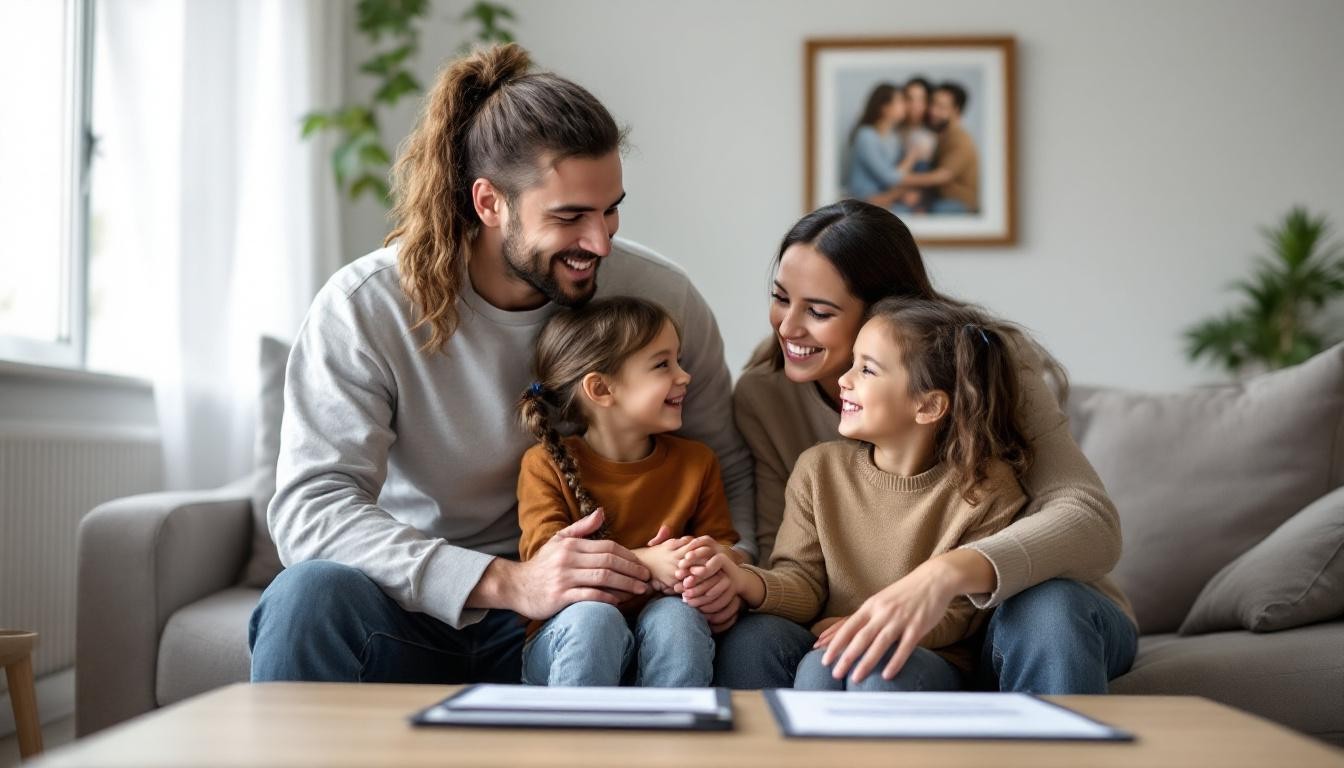
Foster care adoption success stories show that building a family through the system is possible, even when the path feels uncertain. Thousands of Florida families have transformed their lives and the lives of children by opening their homes to foster care adoption.
At Juliana Gaita, P.A., we’ve worked with families who’ve navigated this journey and come out stronger on the other side. Their experiences prove that love, patience, and the right support can create lasting family bonds.
Real Families Building Forever Through Foster Care
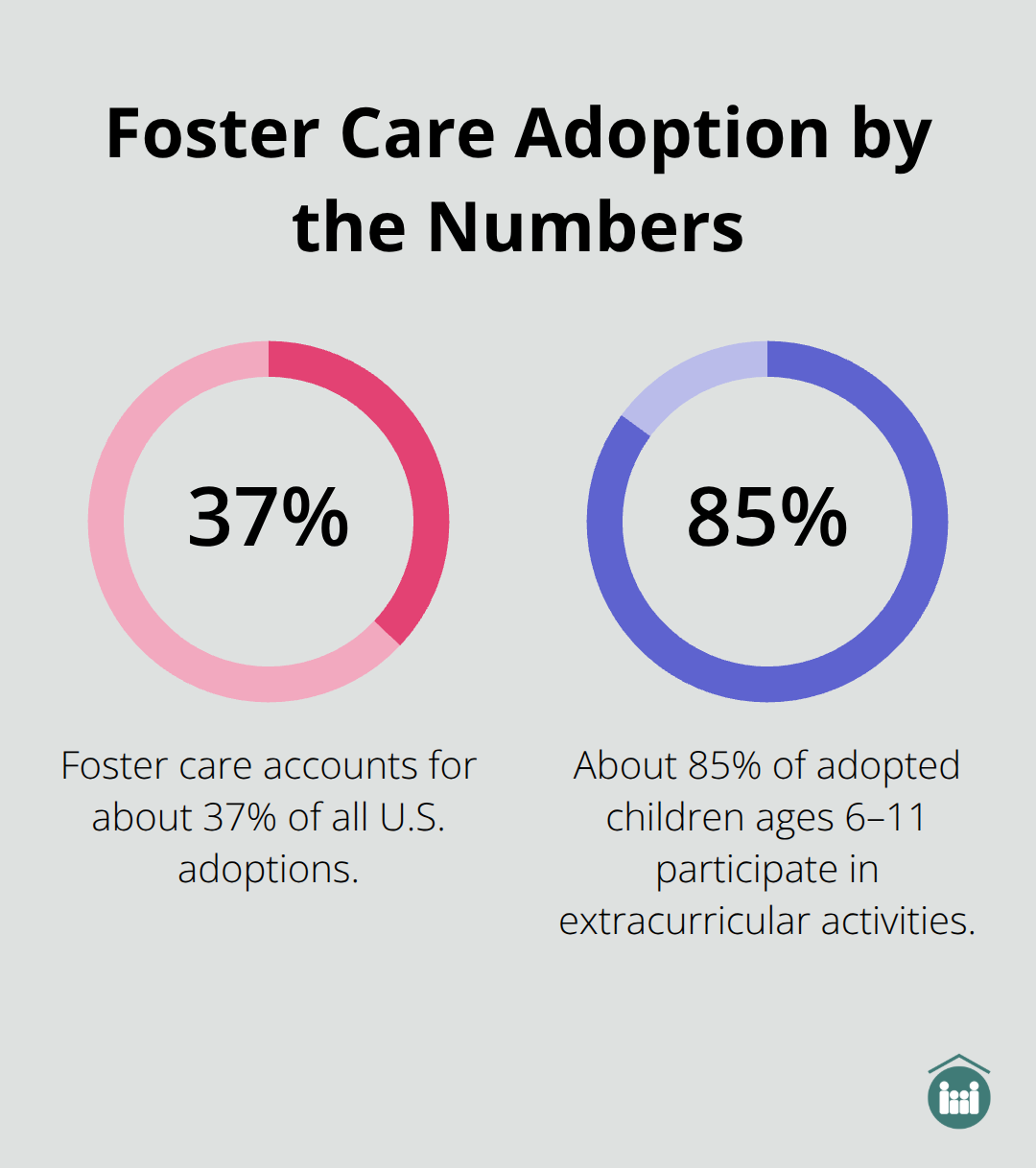
The Polanco family fostered 17 different children over 1,445 days before adopting Caleb, Faith, and Grace. That commitment transformed temporary placements into permanent family bonds. The Lansing family followed a similar path, adopting all four of their foster children-Cloe, Josie, Annabelle, and Bethany-and creating a stable forever family. These stories reflect what happens across Florida’s foster care system. According to the National Survey of Adoptive Parents, foster care accounts for about 37% of all U.S. adoptions, and Florida families actively choose this path.
When Siblings Stay Together
Keeping siblings together during foster care adoption strengthens family units. The Polanco family’s experience shows that adopting multiple siblings from the same placement creates deeper bonds. When children have each other through transition, they heal faster and attach more securely. The Newton family adopted two 15-year-old twins with different needs-one wanted a traditional family structure, the other sought safety and independence. Both found what they needed in one home. Research from the National Survey of Adoptive Parents shows that about 9 in 10 adoptive couples report their relationship with their adopted child is very close. Multi-sibling placements often strengthen these bonds because children support each other emotionally.
Single Parents and Couples Finding Success
Single parents and couples both succeed in foster care adoption across Florida. Maria moved from struggling academically to making the honor roll after adoption. Denise spent 3,399 days in 15 different placements before finding permanency with a family that invested in her education and activities. She now thrives in 9th grade, competing in track and volleyball. The Bisby family adopted Cassie and Devon after completing more than 40 hours of specialized training and receiving in-home support. This preparation matters. Families who engage with training programs and ongoing support report higher success rates in managing the behavioral and attachment challenges that foster children often bring. Approximately 85% of adopted children aged 6-11 participate in extracurricular activities, showing that permanency opens doors to normal childhood experiences. In Austin alone, a single Adoption Day resulted in 47 adoptions, demonstrating that Florida communities actively support foster care adoption when families step forward.
What Obstacles Lie Ahead
Foster care adoption brings real challenges that families must face head-on. Children entering new homes often carry trauma from previous experiences, and behavioral issues frequently emerge during the adjustment period. Trust doesn’t develop overnight-it requires patience, consistency, and sometimes professional help. Social services involvement and legal requirements add complexity to the process, but they exist to protect children and ensure placements succeed. Understanding these obstacles before starting your journey helps you prepare mentally and practically for what comes next.
Overcoming Obstacles in the Foster Care Adoption Journey
Foster children arrive in new homes carrying invisible weight. Trauma from neglect, abuse, or repeated separations shapes how they respond to love, authority, and stability. The Polanco family fostered 17 children before adopting three of them-each child required different approaches to healing. Maria’s academic struggles reflected deeper issues than poor study habits; she needed consistency and someone who believed in her potential before she could focus on schoolwork. Behavioral challenges often spike during the first months of placement because children test whether this family will abandon them like others did. Anger, defiance, withdrawal, or clinginess aren’t character flaws-they’re survival mechanisms. Families who expect immediate gratitude or quick bonding set themselves up for disappointment. The National Survey of Adoptive Parents found that about 9 in 10 adoptive couples report very close relationships with their children, but that closeness develops over time through repeated experiences of safety and consistency.
Training Prepares Families for Trauma Responses
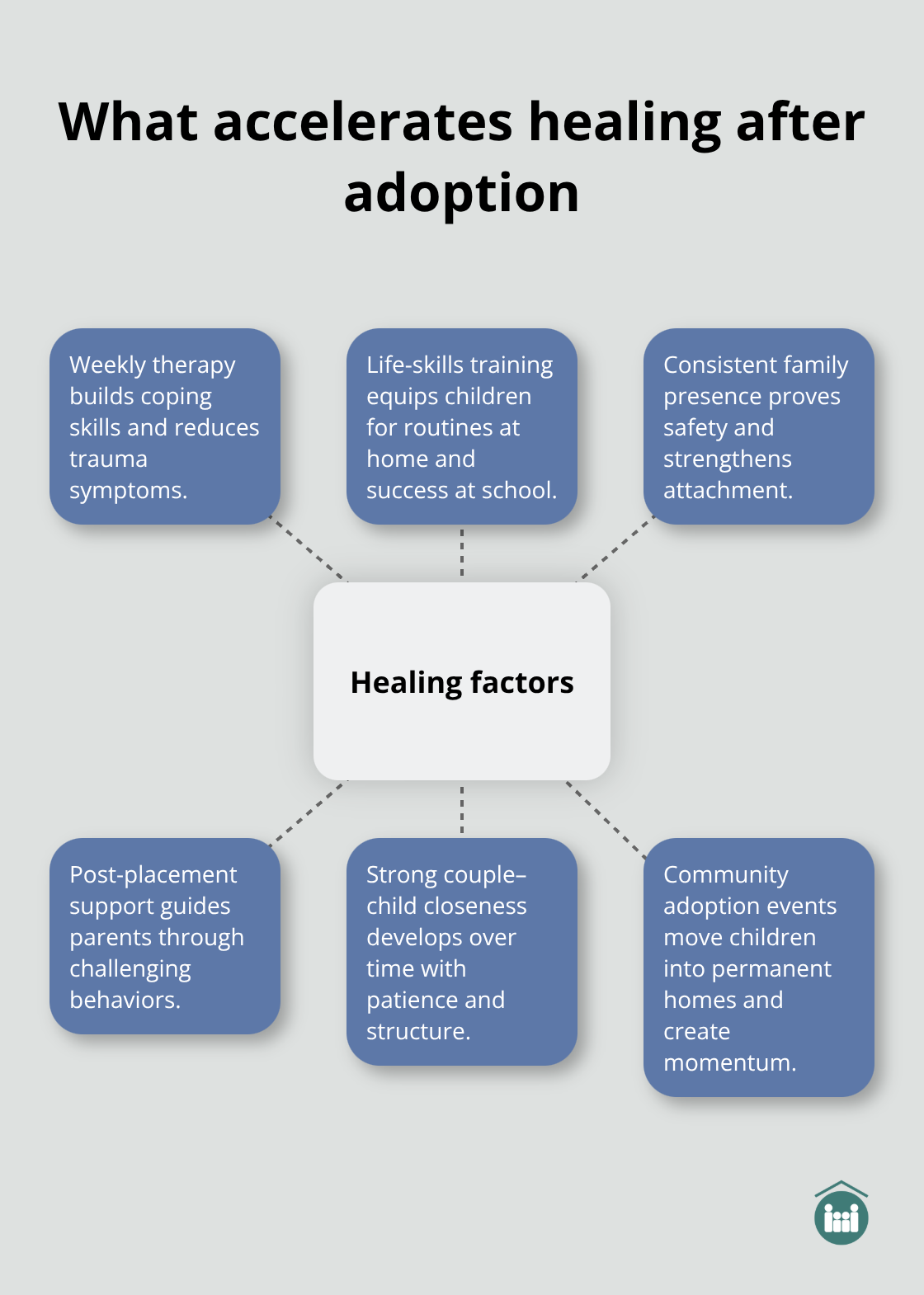
Training programs matter significantly when children arrive with behavioral and emotional challenges. The Bisby family completed more than 40 hours of specialized training before adopting Cassie and Devon, which prepared them to recognize trauma responses and respond appropriately rather than taking behaviors personally. This preparation helps families understand that a child’s anger or withdrawal reflects past harm, not rejection of the new family. Therapy-both individual sessions for the child and family counseling together-accelerates attachment and reduces placement disruptions. Organizations like Helping Hand Home use a healing model that combines weekly therapy with life-skills training to address attachment injuries directly rather than hoping time alone will fix things. In-home support from adoption professionals during the first year makes a measurable difference in how families navigate these challenges.
Building Trust Through Consistent Presence
Children who’ve experienced multiple placements need proof that this family is different. This proof comes from showing up consistently during the hardest moments, not just the easy ones. When a child lashes out or refuses to participate in family activities, that’s when trust is actually being built or broken. Families who invest in professional support see faster attachment and fewer placement disruptions. Post-placement support services during the adoption process help families stay committed through the difficult adjustment phase. The first year determines whether families and children bond securely or whether the placement fails.
Navigating Legal Requirements and Social Services Partnership
Court timelines and social services involvement feel bureaucratic and slow, but they exist to protect children and verify that placements will succeed. Foster-to-adopt families must complete home studies, background checks, and training before a child is placed-these steps filter out families who aren’t genuinely prepared. The legal finalization process typically takes months after placement, during which the state monitors the home and the child’s adjustment. This uncertainty frustrates families who’ve already bonded with a child, but it also prevents hasty placements that later fail.
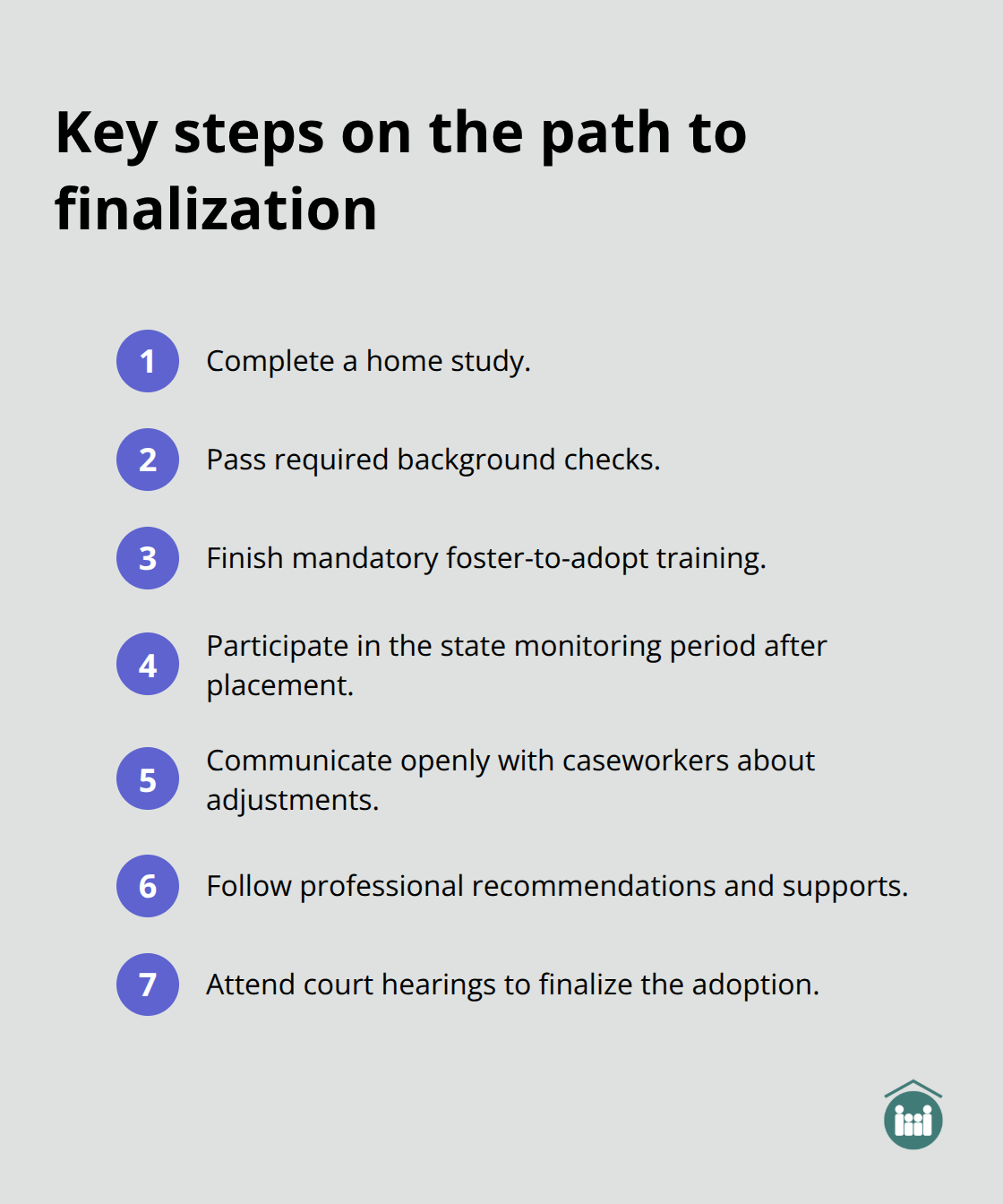
Working effectively with social workers means treating them as partners rather than obstacles. They have access to the child’s history, medical records, and behavioral patterns that families need to understand. Regular communication with caseworkers, honest reporting about adjustment struggles, and willingness to follow recommendations increase the likelihood of successful finalization. Families who resist guidance or hide problems often face delays or denial of adoption petitions.
The legal pathway forward requires more than paperwork and court appearances-it demands that families understand what social services actually does and why their involvement protects everyone involved.
How Foster Care Adoption Transforms Children and Families
Permanent homes do more than provide shelter and food. They fundamentally rewire how children’s brains develop and how they function in the world. Children in foster care without permanency experience repeated separations that damage their ability to trust and attach. The longer a child stays in temporary placements, the harder it becomes for them to believe any family will keep them. Denise spent 3,399 days across 15 different placements before finding permanency with a family that invested in her future. Once she had stability, she moved from drifting through the system to thriving in 9th grade with participation in track and volleyball.
Permanency Unlocks Development and Growth
The National Survey of Adoptive Parents found that about 85% of adopted children aged 6-11 participate in extracurricular activities, compared to children who remain in unstable foster care situations. This difference reflects what permanency actually does: it frees children from survival mode and allows them to develop interests, build skills, and imagine futures beyond their current circumstances. Maria’s transformation from academic failure to honor roll status happened because adoption removed the constant anxiety of potential abandonment. When a child knows they belong permanently to a family, their brain can focus on learning instead of scanning for threats.
Breaking Cycles Through Visible Commitment
Stability in a permanent family breaks the cycle of instability that defines foster care. Children who experience multiple placements develop patterns of behavior that perpetuate rejection. They may act out defensively, withdraw emotionally, or test boundaries relentlessly because past experience taught them that families eventually give up. The Lansing family adopted all four of their foster children, which meant each sibling witnessed the others being chosen permanently. That visible commitment to staying together, regardless of difficulty, rewires how children understand family. When a child sees their sibling graduate, participate in activities, and move forward with confidence, they internalize that permanency is real.
Healing Accelerates With Professional Support and Family Presence
Organizations like Helping Hand Home report that healing accelerates when children transition from treatment settings into permanent families with ongoing support. The healing model combines weekly therapy with life-skills training during placement, which addresses trauma directly while the child experiences consistent family presence. About 9 in 10 adoptive couples report very close relationships with their children according to the National Survey of Adoptive Parents, proving that attachment is possible even after significant trauma. Florida communities have demonstrated this reality repeatedly: a single Austin Adoption Day resulted in 47 children moving into permanent homes.
Those 47 children no longer cycle through placements. They now have families invested in their education, health, and future success.
Final Thoughts
Foster care adoption transforms not just individual families but entire communities. When children move from temporary placements into permanent homes, they gain stability that ripples outward through schools, neighborhoods, and social networks. Foster care adoption success stories like the Polanco family’s decision to adopt Caleb, Faith, and Grace after fostering 17 children demonstrate what becomes possible when families commit to this path.
We at Juliana Gaita, P.A. understand that foster care adoption involves complex legal pathways, emotional challenges, and decisions that shape your family’s future. Our role is to guide you through the legal requirements, explain your rights and options, and help you move forward with confidence. Whether you’re considering foster care adoption, navigating the transition from foster care to permanency, or preparing for finalization, proper legal guidance makes the difference between confusion and clarity.
Starting your foster care adoption journey begins with a single conversation. Reach out to Juliana Gaita, P.A. to discuss what adoption means for your family and what support you need to succeed. The children waiting in Florida’s foster care system need families willing to invest in their futures.