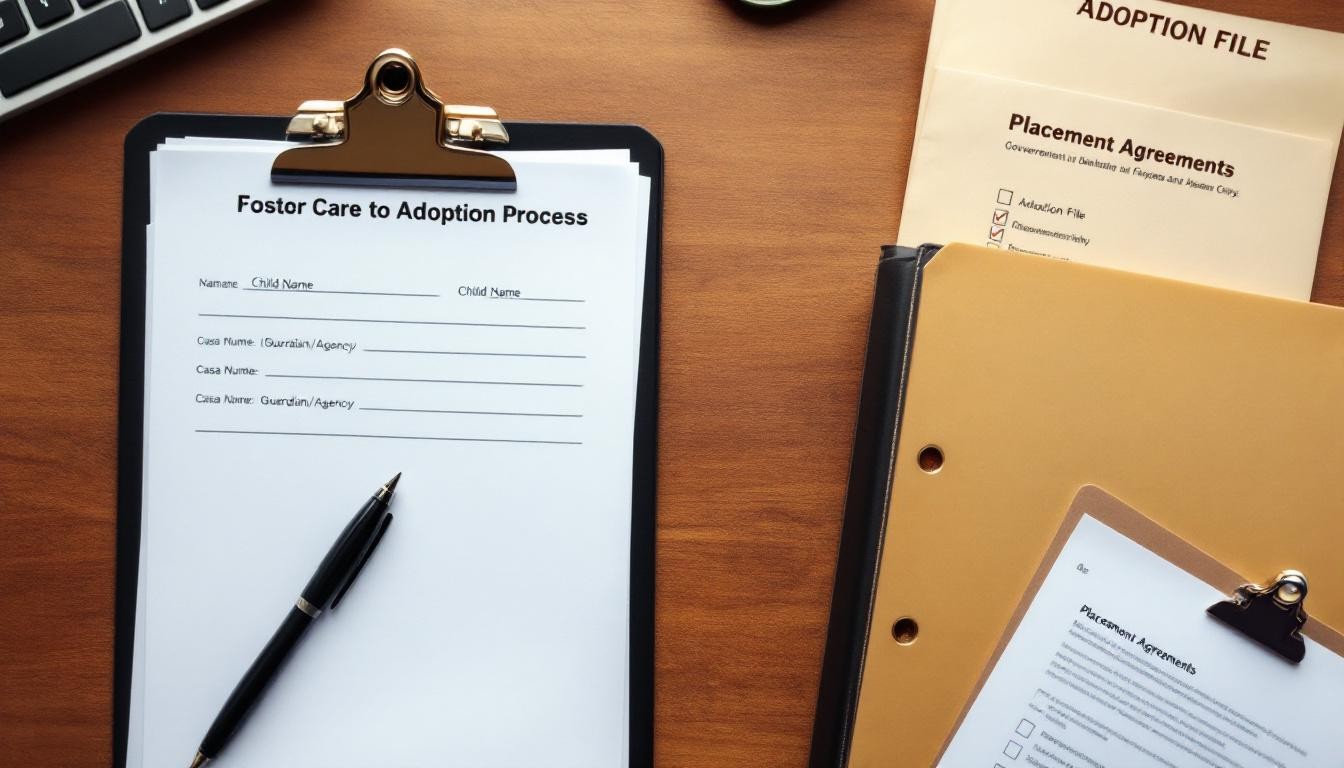
Moving from foster care to adoption in Florida involves specific legal steps, financial considerations, and support systems that many families don’t fully understand.
At Juliana Gaita, P.A., we guide families through this foster care to adoption process with clarity and practical direction. This guide walks you through Florida’s requirements, available resources, and what comes next.
Understanding Foster Care and Adoption Laws in Florida
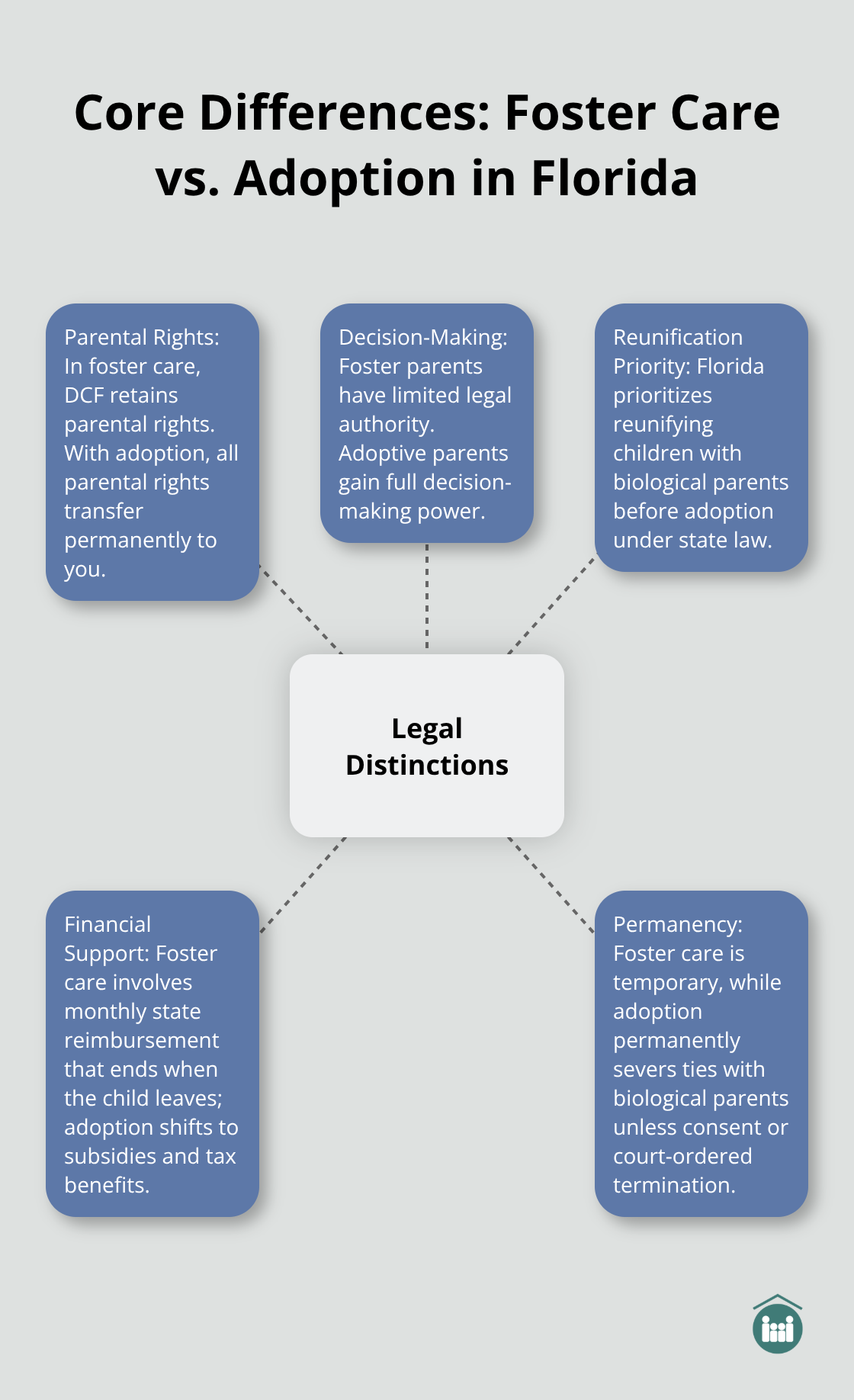
Foster care and adoption operate under completely different legal frameworks in Florida, and understanding this distinction matters before you move forward. Foster care is a temporary arrangement where the Department of Children and Families retains parental rights while a child lives with you. Adoption transfers all parental rights permanently to you, making you the legal parent with full decision-making authority. This difference shapes everything from your financial support to your legal obligations. Under Florida Statute 39.001, the state prioritizes reunification with biological parents when children enter foster care, which means foster placements operate with the assumption that children may return home. Adoption, by contrast, severs all ties with biological parents unless they consent or have their rights terminated through court proceedings.
What Foster Parents Can and Cannot Do
As a foster parent in Florida, you hold significant responsibilities but limited legal authority. You can make daily decisions about education, healthcare, and discipline, but you cannot consent to major medical procedures, change a child’s school district without DCF approval, or make decisions about visitation with biological family members. Florida Statute 39.013 outlines your duties to provide a safe home, report suspected abuse, and cooperate with DCF caseworkers. You also cannot move out of state with a foster child without permission. The financial side differs dramatically from adoption: foster parents receive a monthly reimbursement from the state to cover food, clothing, and basic care, but this payment stops immediately if the child leaves your home.
Timeline and Legal Status During Foster-to-Adoption Cases
Prospective adoptive parents must understand that foster-to-adoption cases typically take 12 to 24 months from initial placement to finalization, according to data from the Florida Department of Children and Families. During this time, you operate as a foster parent with limited rights, not an adoptive parent, which creates significant emotional and practical challenges for families. This extended timeline exists because the state must exhaust all efforts to reunify children with biological parents before terminating parental rights.
How Parental Rights Transfer in Florida
Adoption rights in Florida only transfer once parental rights are terminated through court order. This termination happens either through voluntary relinquishment by biological parents or through involuntary termination if a court determines it is in the child’s best interest. Florida Statute 39.806 governs termination of parental rights proceedings, which must establish clear and convincing evidence that continuing parental rights is detrimental to the child. Once rights are terminated, you move from foster parent status to adoptive parent status, and your legal authority expands completely. The court issues a final judgment of adoption, which gives you all parental rights and responsibilities.
Working With Legal Guidance Through the Process
The legal process involves strict procedural requirements, and mistakes can delay finalization or create problems later. An adoption lawyer in Boca Raton can help you navigate these requirements and protect your interests throughout the transition from foster care to adoption. The next section walks you through the specific steps and timeline you will encounter as you move through Florida’s foster care to adoption pathway.
Moving Through Florida’s Foster-to-Adoption Pathway
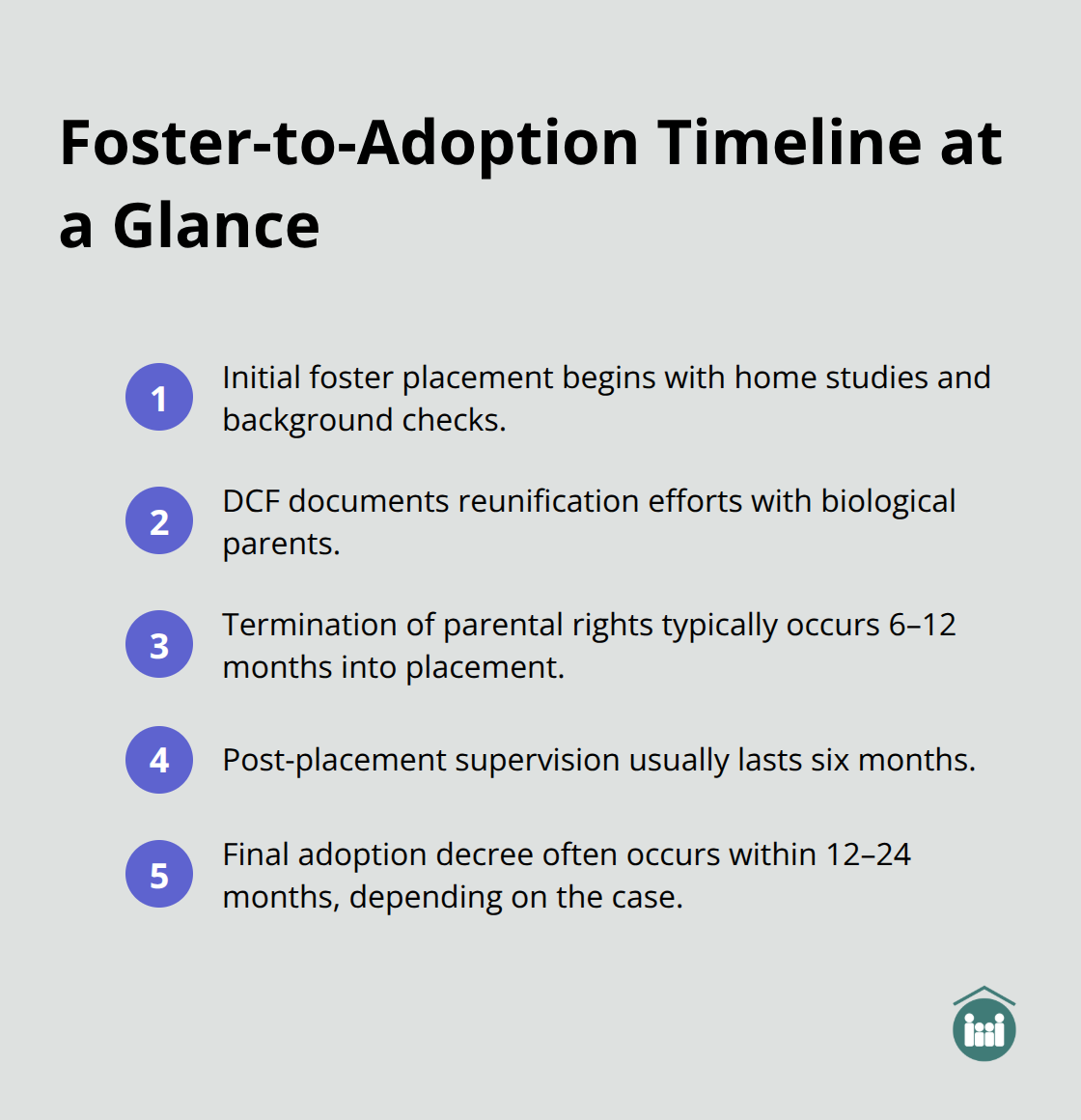
The transition from foster care to adoption in Florida follows a structured sequence, but the timeline varies significantly based on circumstances. Most cases take between 12 and 24 months from initial placement to final adoption decree, according to Florida Department of Children and Families data. The Department of Children and Families controls the pace because they must document efforts to reunify children with biological parents before any termination of parental rights can occur. This means your role shifts gradually rather than abruptly.
Your Role During the Initial Foster Care Phase
During the first phase, you function as a foster parent while DCF conducts home studies, background checks, and evaluates your suitability as an adoptive parent. Simultaneously, DCF caseworkers assess whether reunification with biological parents remains viable. If reunification efforts fail or biological parents cannot be located after reasonable attempts, DCF initiates dependency court proceedings to terminate parental rights. This step typically occurs 6 to 12 months into placement.
The Transition to Adoptive Parent Status
Once the court terminates parental rights through a formal order, you transition from foster parent to adoptive parent status. The final adoption judgment still requires additional court proceedings, though your legal authority expands significantly at this point. Florida Statute 63.087 requires that adoptive parents complete a home study prepared by a licensed agency (if you’ve already completed one as a foster parent, this may satisfy the requirement). You must also obtain a final decree of adoption from the circuit court, which requires filing a petition and attending a hearing where the judge reviews DCF’s recommendation and your fitness as an adoptive parent.
Meeting Legal Requirements Before Finalization
The legal requirements before finalization demand careful attention because procedural errors can extend your timeline unnecessarily. The court must also consider the child’s preferences if they are old enough to express them, typically children age 12 and older. Post-placement supervision by DCF typically lasts six months before the final adoption judgment can be issued, though this period can extend if concerns emerge. Many families underestimate the importance of having legal representation at this stage. An adoption lawyer can help ensure your paperwork is filed correctly, all statutory requirements are met, and your interests are protected if complications arise.
Protecting Your Interests Through Legal Counsel
Having counsel review your complete file before the final hearing identifies any potential issues that could delay finalization. The financial support you receive as a foster parent changes once adoption finalizes, which makes understanding the transition critical for your family’s planning. The next section walks you through the adoption subsidies, tax credits, and post-adoption resources available to you after the court issues your final judgment.
Financial Support and Resources Available
Adoption subsidies represent the most substantial financial benefit available to foster parents who adopt through the state, yet many families fail to negotiate these agreements before finalization occurs. Once your adoption becomes final, you lose the monthly foster care reimbursement immediately, which creates a genuine financial cliff for families. Florida allows adoptive parents to receive ongoing monthly subsidies if the child has special needs, which the state defines broadly to include older children, sibling groups, children with medical conditions, and children with behavioral or emotional challenges. The subsidy amount varies but typically ranges from 50 to 100 percent of the foster care reimbursement rate, according to Florida Department of Children and Families guidelines. You must negotiate and finalize your adoption subsidy agreement before the court issues your final judgment, as requesting one afterward becomes significantly more difficult.
The number 100% seems to be not appropriate for this chart. Please use a different chart type.
Tax Credits and Adoption Expenses
Federal tax credits apply to adoption expenses: the federal adoption tax credit for 2025 allows you to claim up to $15,000 in qualified adoption expenses, which includes court costs, legal fees, home study fees, and travel expenses related to adoption. This credit applies regardless of whether you adopt through foster care or private adoption, and you can claim it on your federal tax return for the year the adoption finalizes. Many families overlook this benefit entirely, leaving thousands of dollars unclaimed. An adoption lawyer in Boca Raton can help you identify all eligible expenses to maximize your tax benefit.
Post-Adoption Services and Counseling
Post-adoption services through Florida’s Department of Children and Families provide counseling, support groups, and educational resources at no cost to adoptive families, though availability varies significantly by county. Connect with adoption support groups before your adoption finalizes because these communities offer practical guidance on attachment issues, trauma responses, and behavioral challenges that adoptive parents encounter. Organizations like the North American Council on Adoptable Children operate support networks throughout Florida where adoptive parents share real strategies for managing post-adoption adjustment.
Accessing Covered Mental Health Services
Your adoption subsidy agreement often includes access to post-adoption counseling services covered by the state, which can address behavioral issues, attachment disorders, or educational needs that emerge after placement. Connecting with other adoptive families immediately after finalization matters more than waiting until problems develop, as preventative support reduces the likelihood of adoption disruption and helps children adjust more smoothly to their permanent families. These resources (counseling, support groups, and educational materials) cost nothing when accessed through state programs, making them accessible to all adoptive families regardless of financial circumstances.
Final Thoughts
The foster care to adoption process in Florida demands patience, legal clarity, and access to the right resources. From understanding the distinction between foster care and adoption to navigating parental rights termination, managing timelines, and securing financial support, each step shapes your family’s future. The 12 to 24 month journey tests families emotionally and logistically, but thousands of Florida families complete it successfully each year by staying informed and prepared.
If you’re considering foster care adoption, contact the Department of Children and Families to understand current placements and your eligibility. If you’ve already received a placement, start negotiating your adoption subsidy agreement immediately and identify post-adoption support groups in your community. If you’re approaching finalization, verify that your paperwork is complete and your legal requirements are satisfied before the court hearing.
We at Juliana Gaita, P.A. guide families through adoption cases throughout Florida, including the foster care to adoption pathway. Our team helps you understand your rights, protect your interests, and navigate the legal requirements that determine whether your adoption finalizes smoothly. Contact Juliana Gaita, P.A. to discuss your adoption situation and learn how we can support your family through this significant transition.