Adoption matching in Florida involves more than paperwork and timelines. It’s about connecting families with children in a way that works for everyone involved.
We at Juliana Gaita, P.A. have guided hundreds of families through this process. This guide walks you through what to expect, the factors that matter most, and how to navigate the real challenges you’ll face.
How Florida’s Adoption Matching Actually Works
The Home Study: Your Foundation
The home study requirement is your first real hurdle. Florida law mandates a favorable home study before any child placement occurs, and this isn’t a formality you can rush through. The study involves multiple visits to your home, conversations about your readiness, and documentation of your living situation. After placement, the state requires at least 90 days of monitoring with mandatory monthly contact, and at least one visit must happen in your home. This ongoing scrutiny continues because Florida takes child safety seriously.
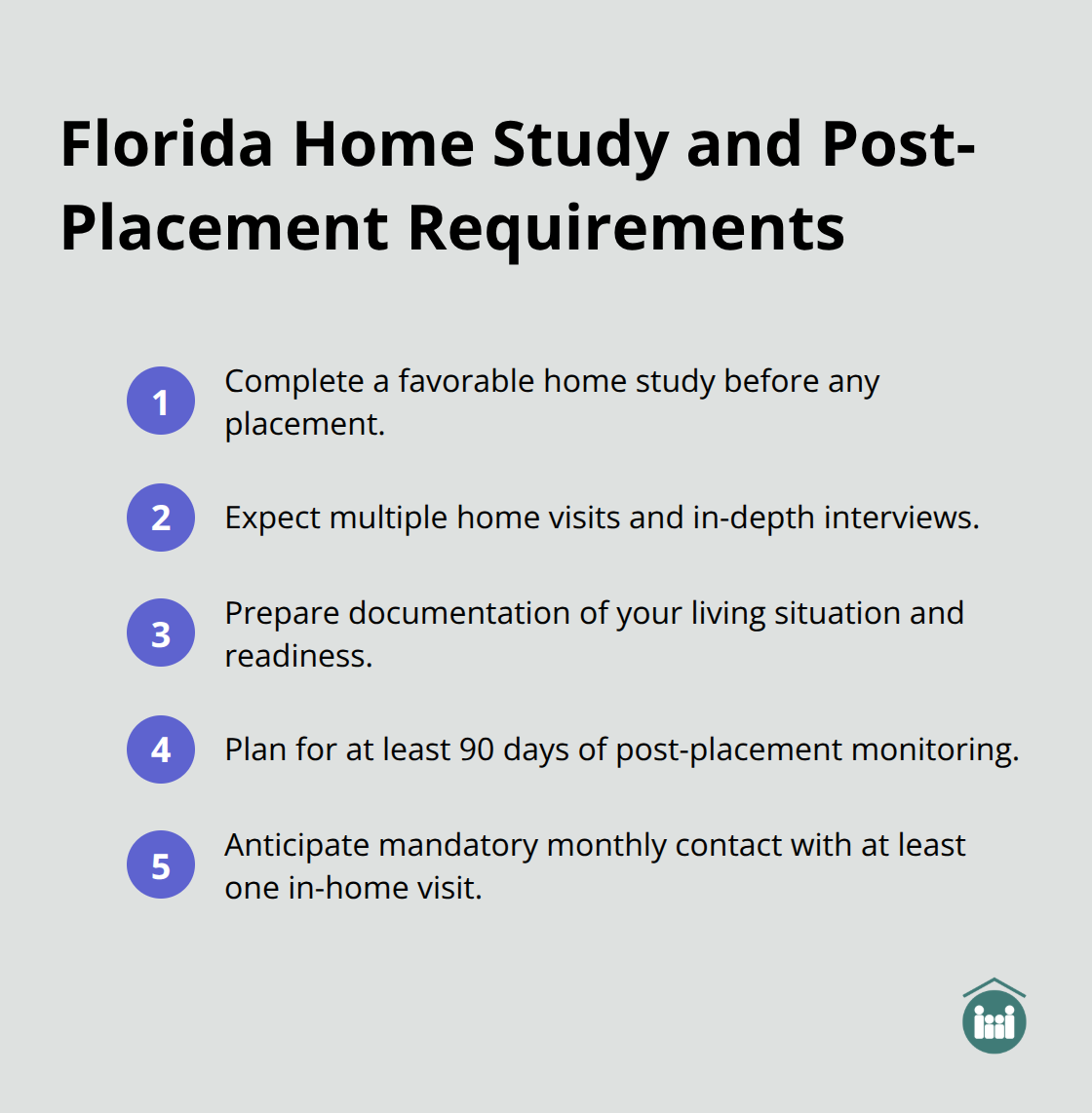
Prepare your home and family narrative now, not when an agency calls. Have your references ready, your finances organized, and your household prepared for inspection. The home study process typically takes several weeks, so patience matters here.
Registering and Building Your Profile
Once your home study receives approval, you’ll register with adoption agencies or work directly with birth mothers. Florida allows adoption placements only through licensed entities: the Department of Children and Families, a Florida-licensed attorney or intermediary, a licensed child-placing agency, or a licensed child-caring agency. This restriction exists for your protection and the child’s.
When you connect with birth mothers, understand that the match isn’t determined by who submits materials first. Caseworkers evaluate compatibility between your family’s strengths and the child’s actual needs. If you don’t receive selection for one child, you may serve as a backup or receive consideration for other children. Build a compelling family profile that includes photos of your home, current children, and pets. Create a concise cover letter that explains how your family heard about the child and why you’re a good fit. Highlight your community resources and support network because birth mothers want to see stability and genuine commitment.
Consent, Termination, and Finalization
The timeline from approval to placement varies significantly by case, but Florida law requires that birth mother consent be signed at least 48 hours after birth or upon hospital discharge, whichever comes earlier. Once consent is secured, the legal process moves forward. Termination of parental rights requires clear and convincing evidence presented to the court, and finalization happens at a court hearing where you must attend in person or appear remotely (or both, depending on circumstances).
After the judge issues the final judgment of adoption, your child’s birth certificate receives amendment and the original is sealed. This legal finality gives your child full parental rights and inheritance status with your family. The next phase of your adoption journey involves navigating the specific preferences and compatibility factors that make a match truly work for everyone involved.
What Actually Matters When Matching With a Birth Mother
Alignment of Values Shapes the Match
Compatibility between your family and a birth mother’s vision for her child’s future determines whether a match succeeds. Birth mothers care far less about your income level or the size of your home than about whether your values align with theirs. This is why your family profile matters tremendously. When you explain your approach to education, religion, cultural traditions, and daily life, you answer the question birth mothers actually ask: Will this family raise my child the way I would want?
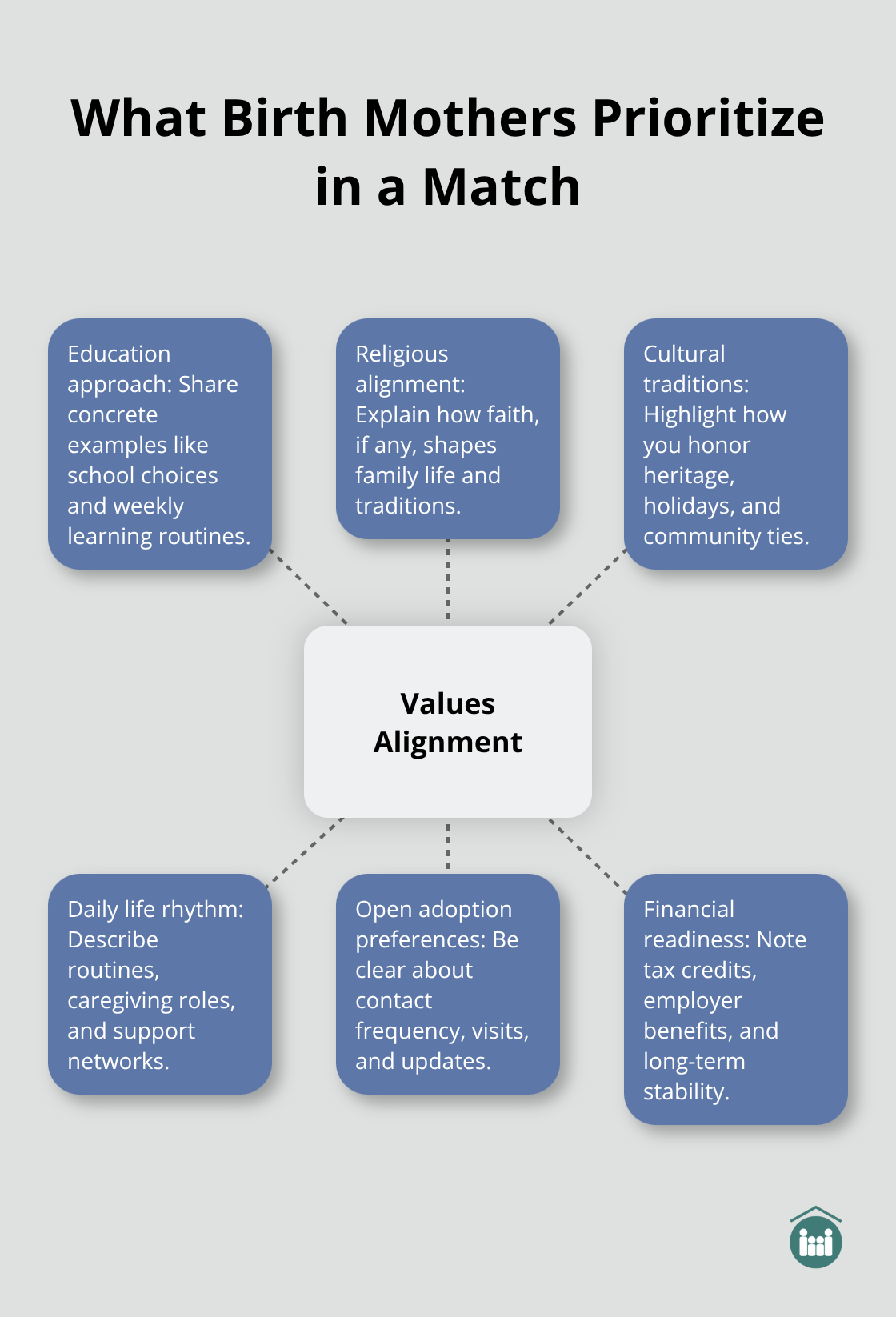
Specificity wins here. Instead of stating you value education, mention that you enrolled your current children in a particular school district or that learning occupies a central place in your family’s weekly routines. Religious alignment and educational background rank among the top factors birth mothers consider when reviewing profiles, so concrete examples of how these values shape your daily life resonate far more than generic statements.
Open Adoption Preferences and Communication Plans
If open adoption appeals to you, state it clearly and describe what ongoing contact looks like in your household. Some birth mothers want monthly video calls and annual visits; others prefer annual updates and photos. Clarifying this upfront prevents mismatches that could derail placements months into the process.
Open adoption agreements require communication plans that address how expenses for contact will be handled-whether you cover travel costs for visits or video call technology. Write these agreements with your adoption attorney before matching occurs. This step prevents costly disputes later and ensures both parties enter the relationship with aligned expectations about what financial support looks like beyond the initial placement.
Financial Readiness and Transparency
Financial transparency shapes successful matches more than most families realize. The federal adoption tax credit for 2024 was $16,810, and many employers offer adoption benefits that offset costs significantly. However, birth mothers often worry about whether adoptive families can sustain their child long-term without financial strain.
If you accessed grants, subsidies, or employer benefits, mention this in your profile. This demonstrates planning and stability. The families who receive selection are those who present themselves as thoughtfully prepared for the financial realities of raising a child. Birth mothers want assurance that their child will thrive in a household with genuine financial security and intentional planning for the years ahead.
What Really Trips Up Families During Matching
The Emotional Reality of Waiting
The emotional whiplash of adoption matching catches most families off guard. You invest months preparing your home, crafting your profile, and mentally preparing for parenthood, then face rejection without explanation. Birth mothers select your profile, you exchange information, and suddenly the match dissolves because their circumstances changed or they chose another family. This isn’t rejection of your worth as parents-it’s the reality of a process where birth mothers retain full decision-making power until consent is signed.
Accept this uncertainty now rather than spiraling emotionally when it happens. Some families experience three or four failed matches before a placement moves forward. Others wait months between home study approval and first contact. The families who survive this period intact set realistic timelines in their minds and understand that waiting doesn’t mean failure.
Documentation That Demands Constant Attention
Your paperwork requires relentless organization throughout the matching process. Florida law mandates that every element of your home study, consent forms, termination paperwork, and finalization documents meet specific statutory requirements or the entire process stalls. A single missing signature, an outdated background check, or paperwork filed one day late can delay placement by weeks.
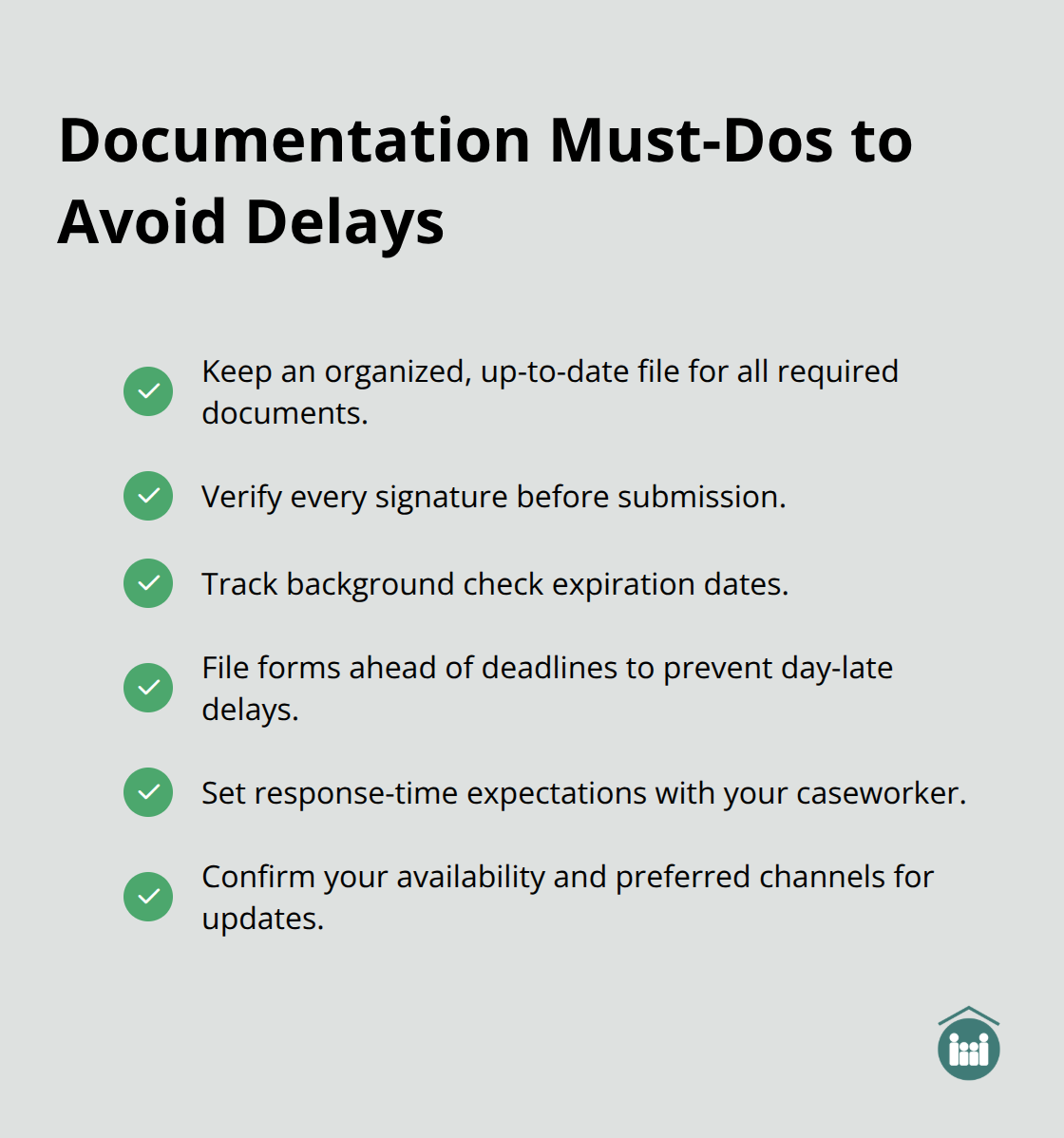
The families who navigate this efficiently maintain organized files and establish clear communication protocols with their caseworker about expected response times. Confirm that your caseworker understands your availability for updates and next steps before matching begins. Your caseworker serves as your advocate through this maze, so treat that relationship as your most valuable asset during the process.
Building Trust Through Honest Transparency
Building genuine trust with birth mothers and agencies requires transparency that many families find uncomfortable. Birth mothers often ask direct questions about your finances, your parenting philosophy, your extended family’s involvement, and your willingness to maintain contact. Answer these questions honestly and specifically rather than offering polished versions of yourself.
Agencies also scrutinize whether your family profile accurately reflects your actual home study. If your profile emphasizes your large extended family but your home study notes isolation from relatives, that inconsistency raises red flags. The families who succeed present a coherent narrative across all materials-your profile, your cover letter, your home photos, and your home study must tell the same story about who you actually are.
Final Thoughts
Adoption matching in Florida succeeds when families present an authentic picture of who they are and what their household can genuinely offer a child. Your home study, family profile, and communication with caseworkers must align consistently, and birth mothers evaluate whether your values match theirs and whether your family can sustain the financial and emotional commitment adoption requires. This alignment matters far more than any single factor, and the families who move forward successfully understand that matching isn’t about being the most impressive on paper.
Throughout adoption matching Florida, legal guidance protects your interests and ensures every step complies with state requirements. Missing a deadline, filing paperwork incorrectly, or misunderstanding consent requirements can delay placement or create complications that extend your process by months. An adoption attorney reviews your home study materials, ensures your profile accurately reflects your situation, guides you through termination and finalization procedures, and helps you establish open adoption agreements that prevent future disputes.
Contact an adoption attorney who understands Florida law to start your adoption journey. We at Juliana Gaita, P.A. help families navigate adoption cases throughout Florida, whether you’re exploring your options or ready to move forward with matching. Your first conversation should address your timeline, financial readiness, and what kind of match aligns with your family’s values.